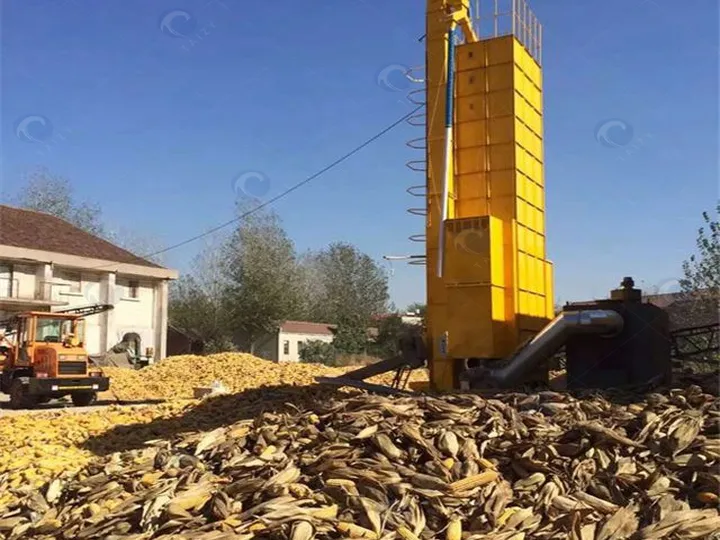
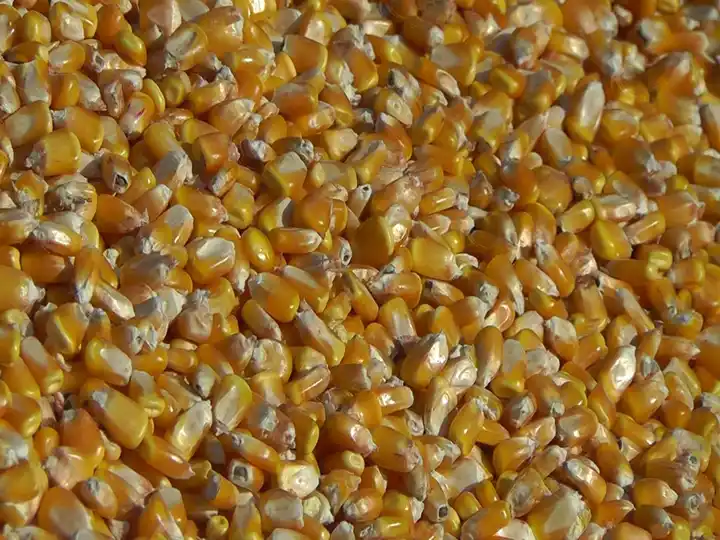
A corn dryer is a specialized agricultural machine designed to reduce the moisture content of harvested corn (maize) to safe storage levels, preventing mold growth and spoilage. This industrial grain dryer efficiently lowers corn humidity from 25-30% down to 13-14%, extending storage life from months to over a year while preserving germination rates and nutritional quality.
Our Taizy corn dryer series includes three high-capacity models: TZ-10 (20 m³), TZ-20 (37.5 m³), and TZ-35 (62 m³), each delivering over 800 kg/h processing capacity with precise moisture reduction of 0.5-0.8% per hour. Whether you’re drying 10 tons or 35 tons per batch, these machines scale to match your farm or processing facility needs.
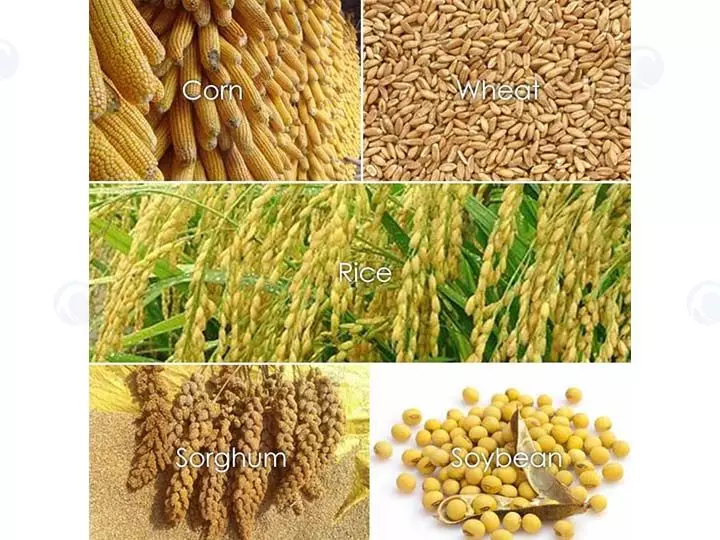
Beyond corn, this multi-function grain dryer handles wheat, rice, soybeans, barley, sorghum, sunflower seeds, and 15+ other crops. Key features include automatic temperature control (adjustable 300-350°F), intelligent PLC control system for one-touch operation, and cross-flow + mixed-flow hot air circulation that ensures even drying without kernel damage.
In this comprehensive guide, you’ll discover everything about corn dryers for sale: how they work, critical features to evaluate, real-world corn dryer prices, selection strategies based on farm size, and expert maintenance tips. Whether you’re a family farmer seeking a cost-effective maize grain dryer or an agribusiness evaluating commercial corn dryer options, this article provides actionable insights to protect your harvest investment.
What Is a Corn Dryer and How Does It Work?
A corn dryer (also called a grain dryer machine or maize dryer) is engineered to remove excess moisture from freshly harvested corn through controlled hot air circulation. Without proper drying, high-moisture corn rapidly develops mold, mycotoxins, and heat damage, leading to significant post-harvest losses.
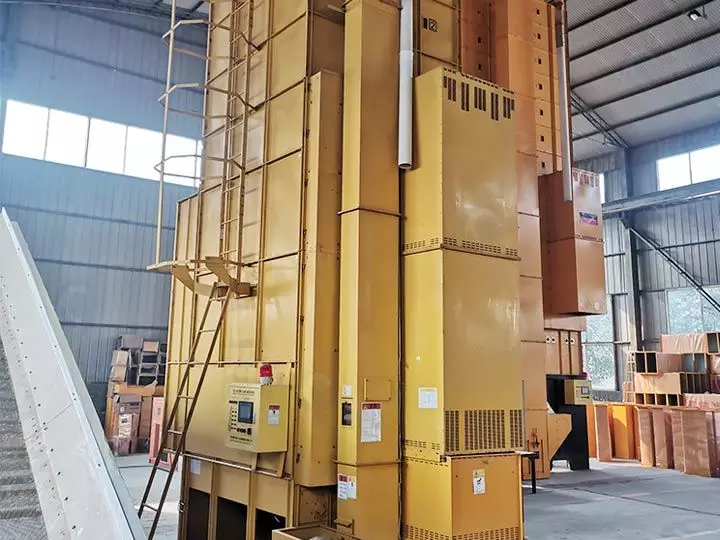
The Complete Corn Drying Process
Understanding the drying cycle helps you operate your agricultural corn dryer more effectively:
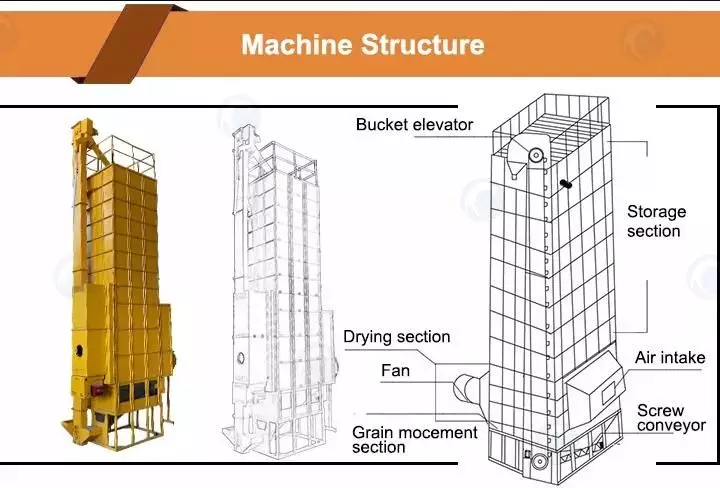
- Loading: Workers pour harvested corn into a bucket elevator, which transports it to the top of the drying silo.
- Heating: A burner or heating element generates hot air (typically 300-350°F / 150-180°C).
- Air Circulation: High-pressure fans push hot air through the grain bed using cross-flow, mixed-flow, or counter-flow patterns. This ensures uniform heat distribution.
- Moisture Evaporation: As hot air contacts wet kernels, surface moisture evaporates. The warm air then carries humidity away through exhaust vents.
- Tempering: Some industrial grain dryers include a tempering section where corn rests briefly, allowing internal moisture to migrate to the surface for more uniform drying.
- Cooling & Discharge: Dried corn passes through a cooling zone to prevent heat stress during storage, then discharges via screw conveyor into bags or storage bins.
This entire process is automated in modern corn dryer machines. The PLC control system monitors temperature, moisture levels, and drying time, adjusting parameters in real-time to optimize efficiency and grain quality.
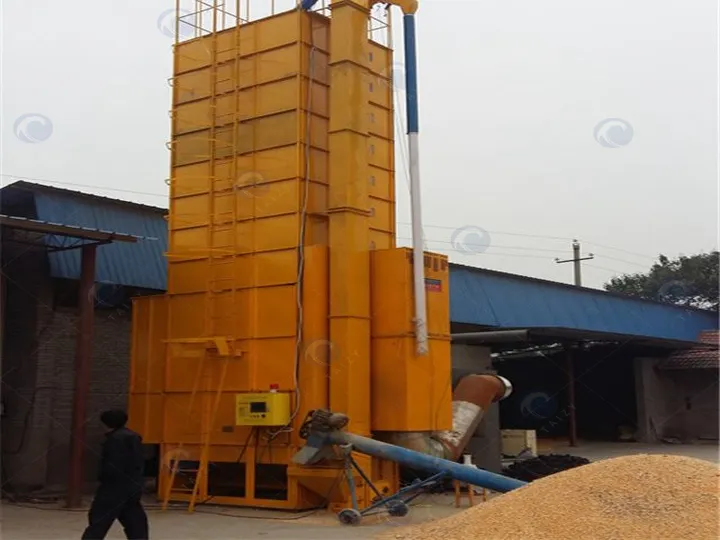
Key Features of Professional Grain Dryers
Not all agricultural grain dryers are created equal. Here are the critical specifications that separate premium equipment from budget alternatives:
1. Drying Capacity & Volume
Match dryer size to your daily harvest volume. Common configurations include:
| Model | Grain Volume | Hourly Capacity | Best For |
|---|---|---|---|
| TZ-10 | 20 m³ | 800+ kg/h | Small farms (50-100 acres) |
| TZ-20 | 37.5 m³ | 800+ kg/h | Medium operations (100-300 acres) |
| TZ-35 | 62 m³ | 800+ kg/h | Large farms & cooperatives (300+ acres) |
Pro tip: Calculate your peak harvest volume. If you harvest 50 tons/day during peak season, choose a corn dryer for sale that can process that volume within 12-16 hours to allow maintenance time.
2. Moisture Uniformity & Breakage Rate
Premium maize dryers achieve moisture variation of ≤1% across the batch, preventing localized over-drying or under-drying. Look for:
- Mixed-flow design: Combines cross-flow and counter-flow for even heat penetration
- Low breakage rate: Quality grain dryer machines keep kernel damage below 0.5%, preserving market value
- High germination preservation: Critical for seed corn; target >90% germination after drying
3. Fuel Flexibility & Energy Efficiency
Operating costs depend heavily on fuel choice. Taizy corn dryers support multiple fuel types:
- Coal (most economical in coal-rich regions)
- Rice husk, wood chips, biomass (ideal for farms with agricultural waste)
- Natural gas (cleanest burning, convenient piped supply)
- Diesel (portable, higher cost but reliable)
Advanced industrial grain dryers feature heat recovery systems that recycle exhaust warmth, reducing fuel consumption by 15-25%.
4. Automation & Control Systems
Modern commercial corn dryers include:
- PLC touchscreen interface: Set target moisture, temperature, and drying time with one-touch operation
- Automatic temperature adjustment: Sensors detect grain temperature and modulate burner output
- Moisture sensors: Real-time monitoring prevents over-drying (which wastes energy and damages quality)
- Safety alarms: Alerts for overheating, blockages, or mechanical faults
5. Build Quality & Durability
Investment-grade grain dryers feature:
- 316 stainless steel interior: Resists corrosion from grain acids and moisture, extending service life to 15+ years
- Electrostatic powder coating: Exterior withstands UV exposure, temperature swings, and physical impacts
- Reinforced structural supports: Handles full grain load without deformation
Corn Dryer Price: What to Expect in 2026
Corn dryer prices vary based on capacity, automation level, and fuel system. Here’s a realistic breakdown:
| Category | Capacity Range | Price Range (USD) | Typical Buyers |
|---|---|---|---|
| Small batch corn dryer | 10-15 tons/batch | $12,000 - $18,000 | Family farms, small cooperatives |
| Medium commercial corn dryer | 20-35 tons/batch | $18,000 - $28,000 | Medium farms, grain elevators |
| Large industrial grain dryer | 50+ tons/batch | $35,000 - $60,000+ | Large agribusinesses, processing plants |
Additional costs to budget for:
- Installation & foundation: $2,000-$5,000
- Fuel system setup (gas line, diesel tank, biomass feeder): $1,500-$4,000
- Electrical work (3-phase power, control panel): $1,000-$3,000
- Annual maintenance (filters, bearings, fuel nozzles): $500-$1,200
ROI calculation example: A $22,000 maize grain dryer processing 30 tons/day can reduce post-harvest losses from 8% to 1%. On a $200/ton corn value, that’s $4,200 saved per season. Add premium pricing for high-quality dried corn (+$15/ton), and payback occurs in 3-4 harvest seasons.
How to Choose the Right Corn Dryer for Your Farm
Selecting the ideal corn dryer requires matching equipment capabilities to your specific operation. Follow this decision framework:
Step 1: Assess Your Daily Harvest Volume
Calculate peak harvest volume:
Daily Volume (tons) = Harvested Acres × Yield (tons/acre) ÷ Harvest Days

Example: 200 acres × 9 tons/acre ÷ 10 days = 180 tons/day
For 180 tons/day, you’d need at least two TZ-20 models or one TZ-35 running double shifts.
Step 2: Evaluate Your Fuel Options
Choose the most economical and accessible fuel:
Fuel TypeCost per Ton DriedBest ForCoal$3-$5Regions with cheap coal accessBiomass (rice husk, wood chips)$2-$4Farms with agricultural wasteNatural Gas$6-$9Areas with pipeline infrastructureDiesel$10-$14Remote locations, backup fuel
Step 3: Consider Future Expansion
If you plan to expand acreage or offer custom drying services to neighbors, size up your commercial corn dryer now. Modular designs allow adding capacity later.
Step 4: Verify Manufacturer Support
Reliable corn dryer manufacturers provide:
Installation guidance (videos, manuals, or on-site support)
Spare parts inventory with fast shipping
Technical support hotline or chat
Warranty coverage (minimum 1 year on major components)